

The construction phases of the Church of Santa Sofia
In the heart of Benevento, the Church of Santa Sofia stands as a monument of extraordinary historical and architectural significance. Its history is a tale of ambition, transformation and rebirth, marked by the passage of centuries, and seismic events and cultural influences that shaped the city.
The foundation: the dream of Arechi II (758-760 A.D.)
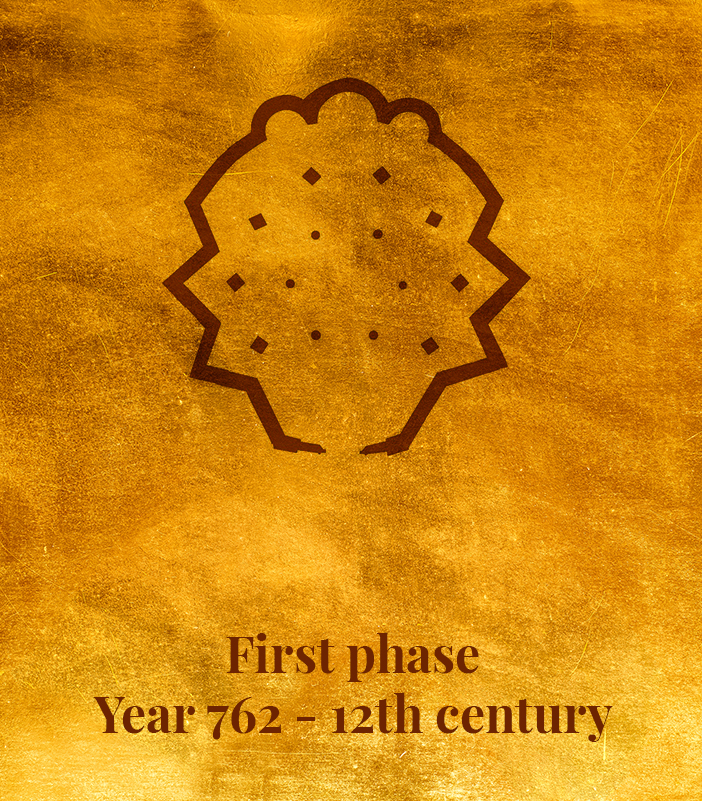
It was the year 758 A.D. when the Lombard duke Arechi II, who had just come to power, decided to erect a temple that would celebrate the greatness of his people. Santa Sofia would not only be a place of worship, but a symbol of identity and devotion, a Lombard shrine representing the political and spiritual power of the duchy of Benevento.
The church was probably completed by May 760 AD, the date when the relics of the Twelve Brother Martyrs were solemnly transferred to the main apse. This act definitively consecrated Santa Sofia as the spiritual heart of the city.
But Arechi II did not stop with the construction of the church. Next to it, he wanted to found a women’s coenoby, entrusting it to the leadership of his sister Gariperga. The monastery, established in 774 A.D., became one of the most important Longobard religious centers and remained a point of reference for women’s monastic life in the city.
Damage and reconstruction in the 12th century
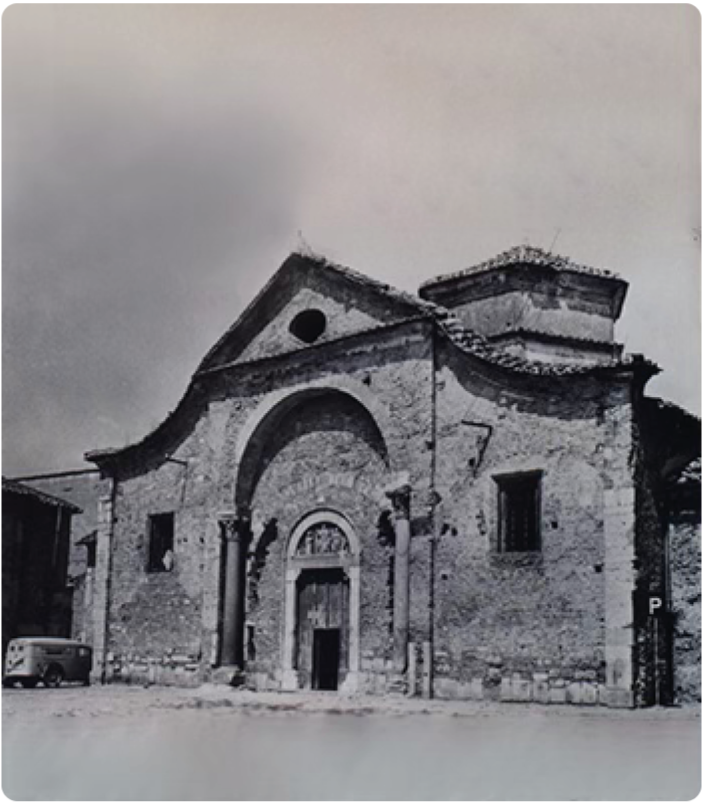
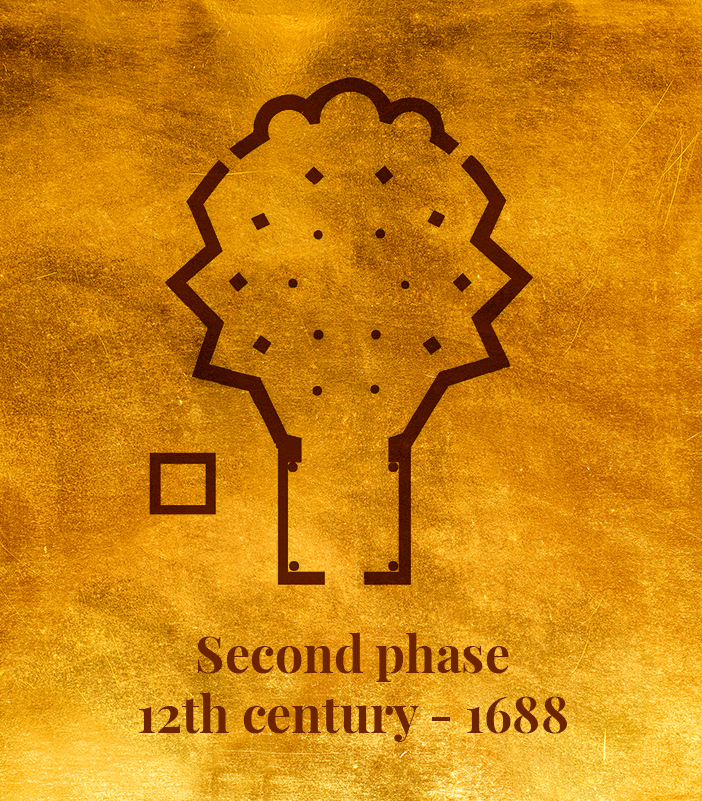
Nel XII secolo, la chiesa subì modifiche per adeguarsi alle esigenze della liturgia benedettina. Studi condotti sull’edificio hanno evidenziato un ampliamento verso ovest, caratterizzato da una struttura a pianta quadrata situata davanti all’ingresso. Questo spazio era sorretto da quattro colonne angolari che sostenevano altrettanti archi successivamente tamponati. L’ampliamento venne collegato alla costruzione preesistente attraverso un grande arco, che prese il posto dell’antico ingresso.
The Baroque era: the transformations of the 17th-18th centuries
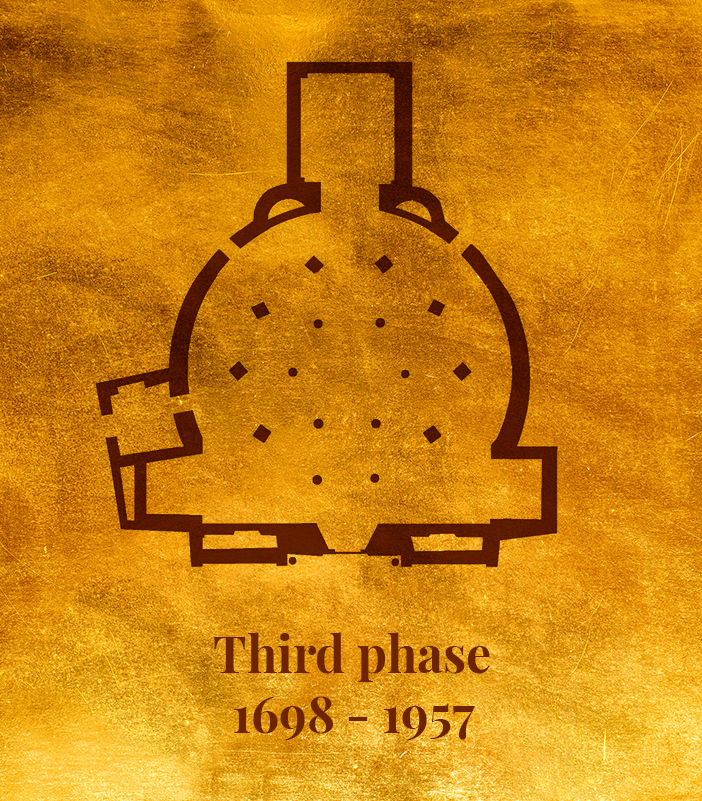
In the 17th century, an earthquake marked the history of the church. The 1688 earthquake caused severe damage to the structure, making massive reconstruction necessary. The work was entrusted to architect Carlo Buratti, who between 1696 and 1701 redesigned Santa Sofia according to the canons of the time.
Its original plan was modified and transformed into a more conventional circular shape, while some parts were demolished to give more symmetry to the structure.
With this transformation, the Lombard essence of the church was almost completely lost. Santa Sofia took on a Baroque appearance, aligning itself with the dominant style of the time.
The return to the origins: the 20th-century restoration
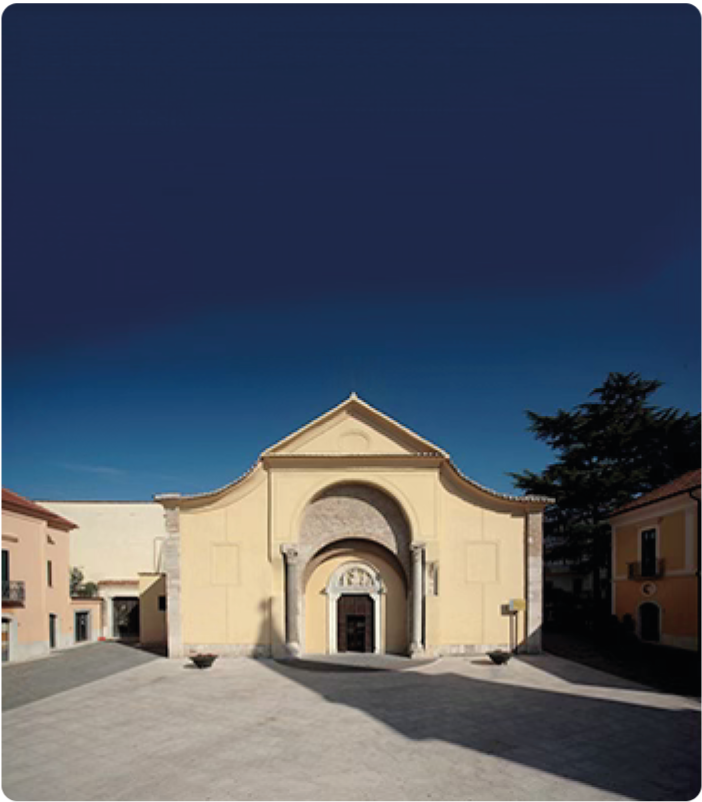
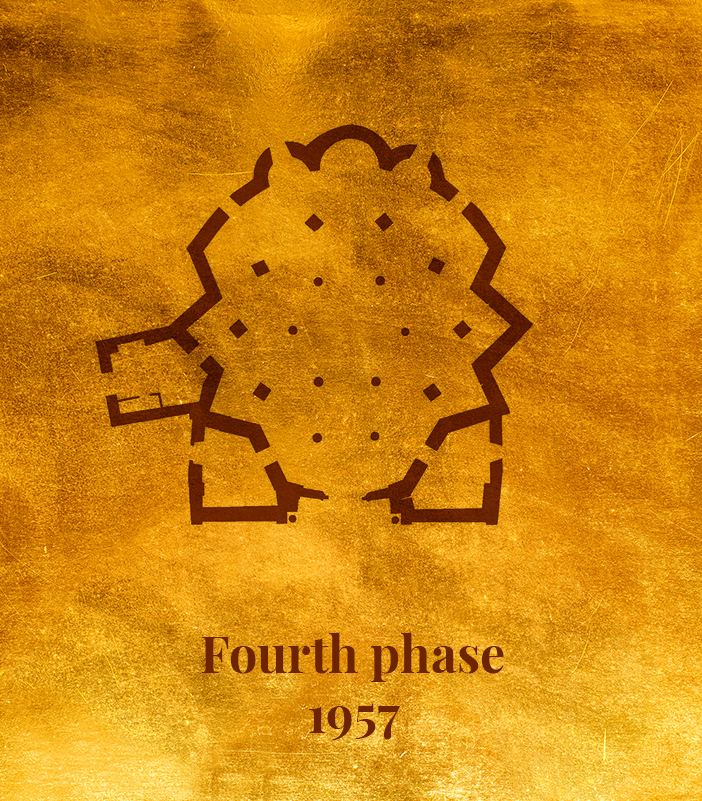
It was not until 1951, thanks to architect Antonino Rusconi, that an ambitious restoration began to unearth the Lombard soul of St. Sophia.
When Rusconi undertook the restoration in the 1950s, the original stellar configuration of the church was still unknown. It was during an archaeological excavation that he discovered, intact, the ancient foundations. Not without hesitation, and after much thought whether to reconstruct the ancient form or not, he opted for the latter hypothesis, which at the time appeared the most convincing according to the restoration methodologies of the time.
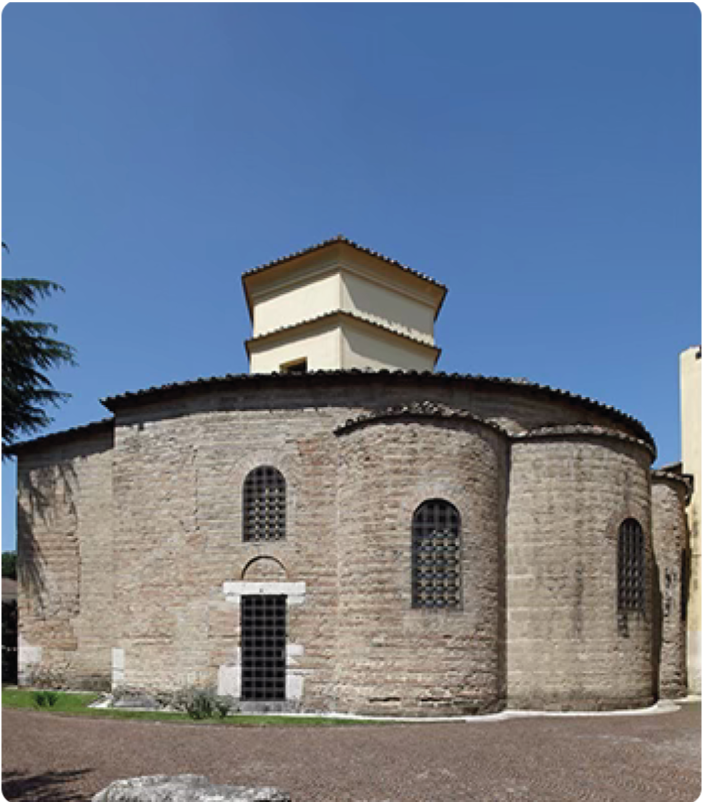
Rusconi decided to remove the Baroque additions and restore the original structure, rebuilding the zig-zag masonry on the ancient 8th-century foundations. The restoration brought to light many of the original architectural elements, allowing the complexity and ingenuity of the Lombard structure to be rediscovered.
Thanks to these interventions, today we can admire Santa Sofia almost as it must have appeared in the 8th century, a masterpiece that mixes classical tradition, Byzantine influences and Lombard experimentation, making it one of the most extraordinary testimonies of the medieval era.
Today, the Church of Santa Sofia is recognized as a UNESCO World Heritage Site, a place that continues to tell the story of Arechi II’s greatness and vision, keeping alive the memory of a time when Benevento was the beating heart of Lombard culture in Italy.