
The Frescoes of Santa Sofia in Benevento
The colors of the Lombard soul
The frescoes of Santa Sofia in Benevento represent one of the most significant testimonies of Lombard painting in Italy. Not only do they constitute a reference point for understanding the art of the period, but they are also the visual manifestation of a culture that was at the crossroads of East and West, of classical tradition and medieval expression.
A unique pictorial cycle
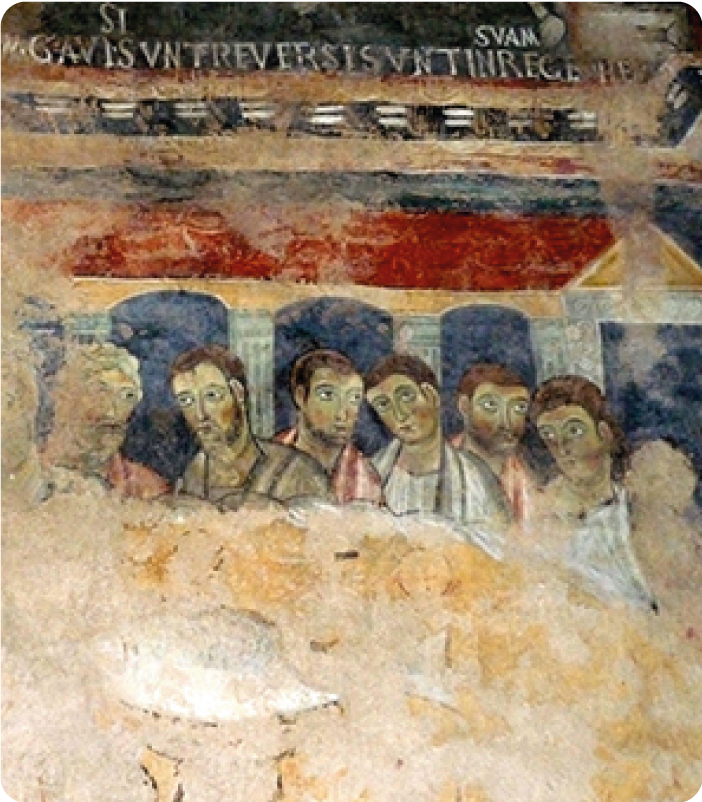
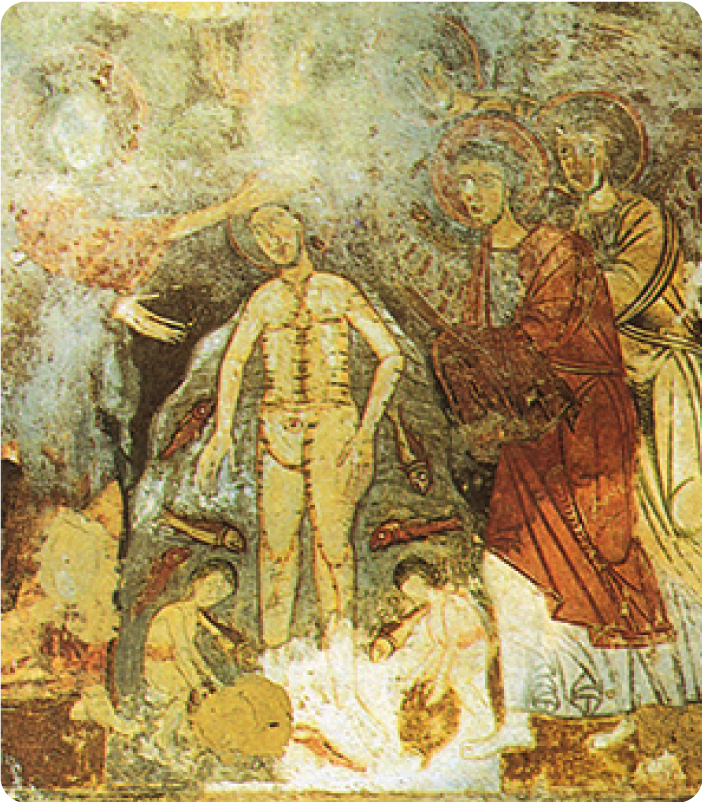
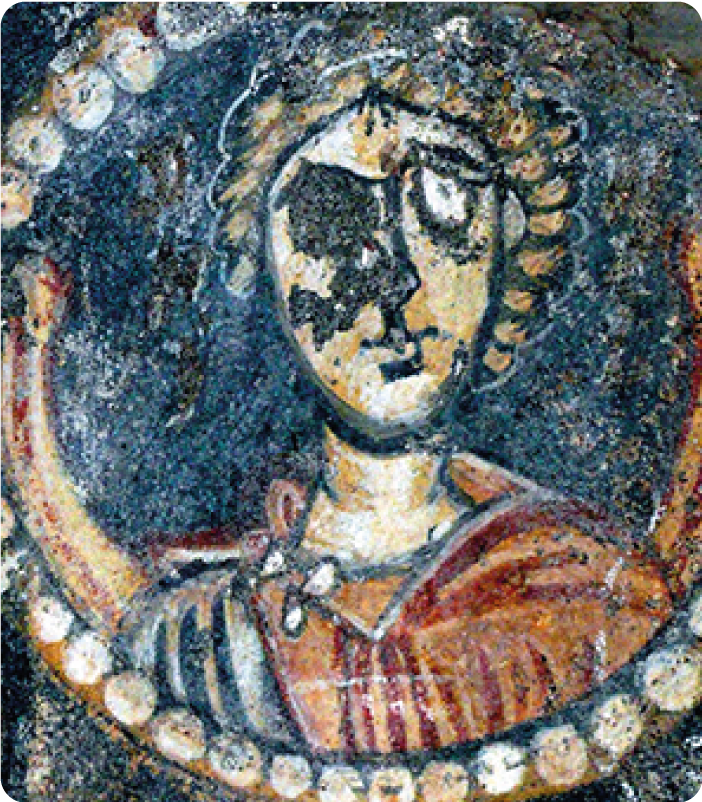
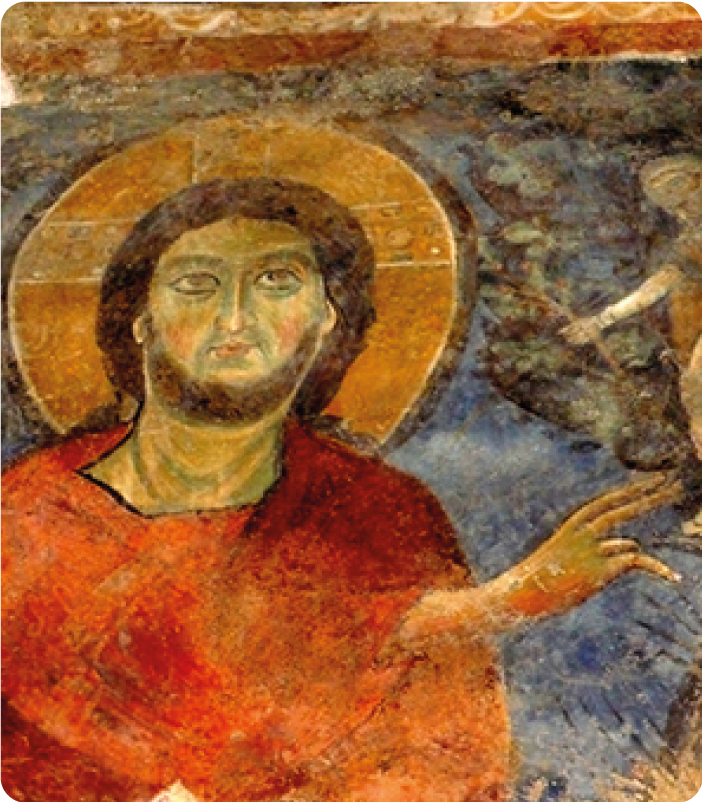
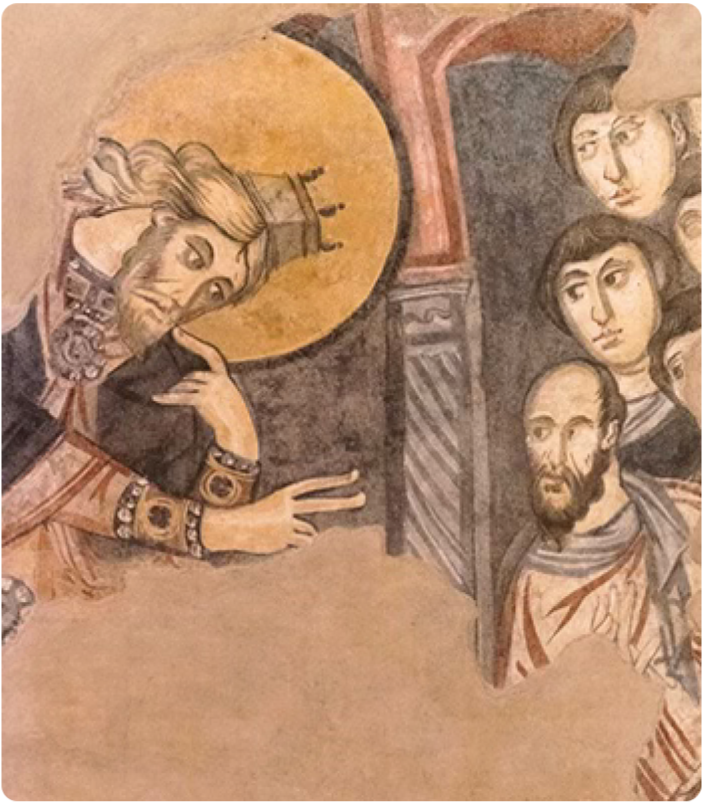
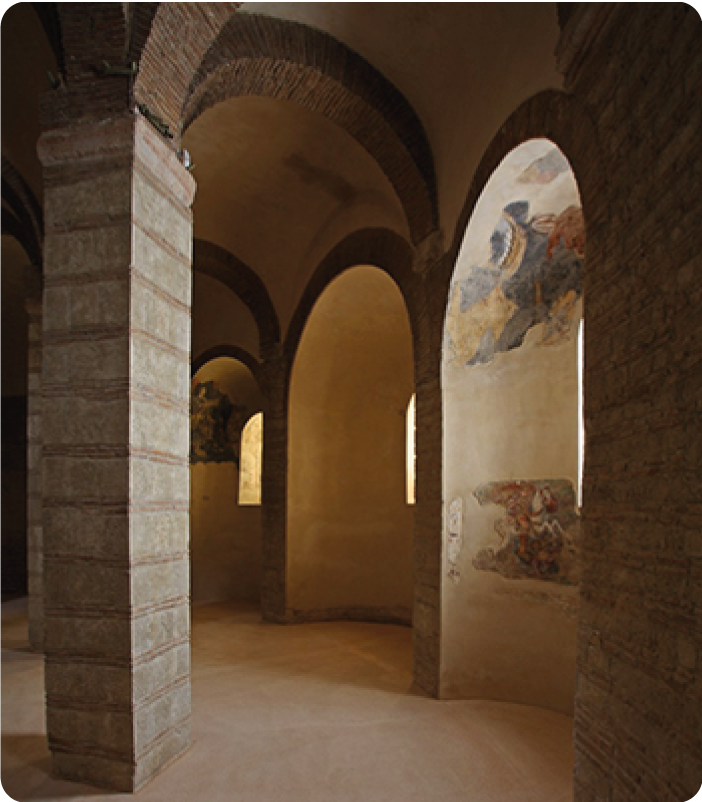
The interior of the church was originally entirely frescoed, as evidenced by surviving fragments in the apses, on a pillar, at the foot of the tiburium, and in the corners of the star-shaped walls. The pictorial cycle focused on episodes from the life of Christ, with special emphasis on the Incarnation and Childhood, according to an iconographic program that probably aimed to enhance the link between Lombard spirituality and the Eastern Christian tradition.
The most emblematic scenes are found in the side apsidioles:
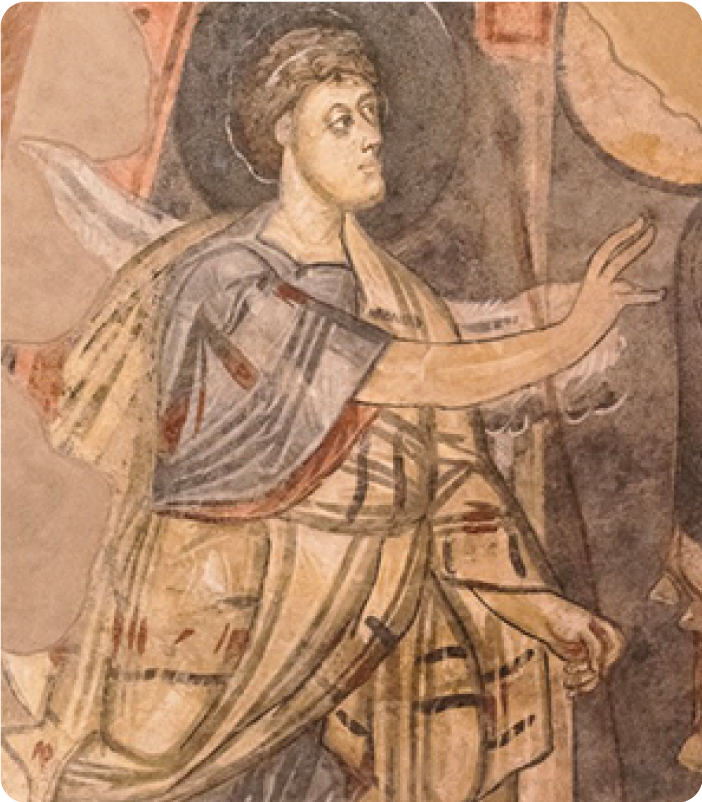
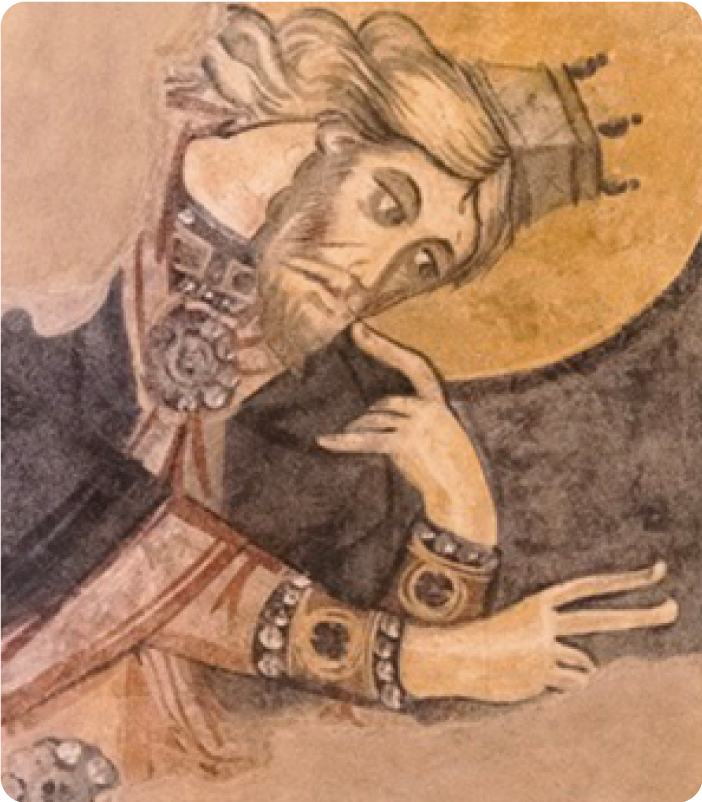
In the north apse, the Announcement to Zechariah is depicted, divided into two moments: the archangel Gabriel announcing the birth of John the Baptist and Zechariah who, rendered mute by his unbelief, communicates his condition to the faithful.
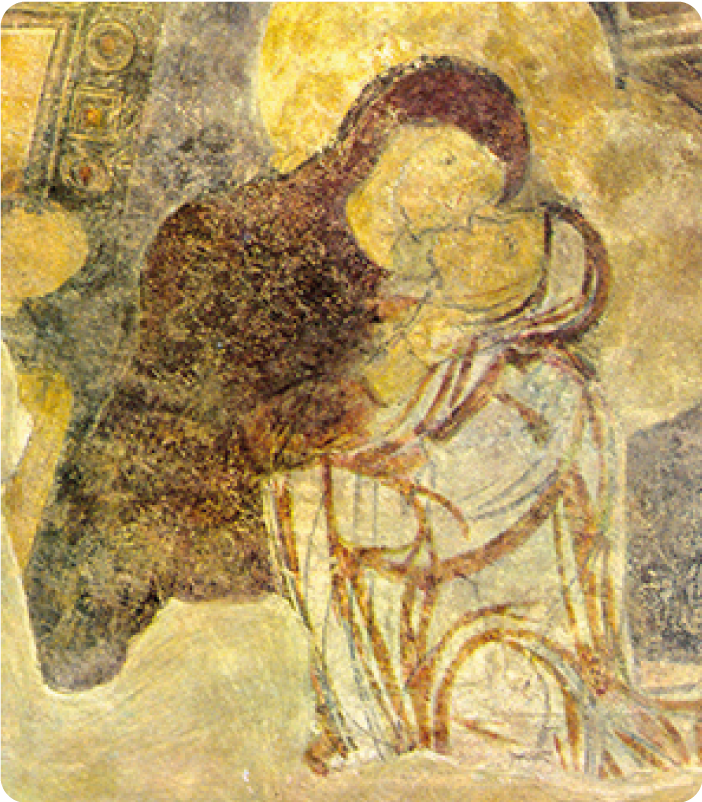
In the apse southward, there are the Annunciation and the Visitation, following the order of Luke’s Gospel. The Visitation is one of the most fascinating scenes: Elizabeth, kneeling, tenderly caresses Mary’s womb, while the latter holds her up in a gesture of affection and protection. This episode, rendered with a realistic and deeply human interpretation, is among the most original in medieval iconography.
A cornerstone of Benevento painting
Critics today agree in dating the frescoes to the 8th century, coinciding with the construction of the church under Duke Arechi II. Their importance is not limited to the artistic sphere, but extends to the cultural history of the Duchy of Benevento. Indeed, these frescoes mark the beginning of what scholars call “Benevento painting,” a major artistic movement that also involved the monastic centers of Montecassino and San Vincenzo al Volturno.
The legacy of Arechi II
It is believed that it was Arechi II himself who commissioned the frescoes in Santa Sofia, as part of a larger project that saw his Sacrum Palatium as a cultural centre of reference in Europe at the time. His court, together with that of his wife Adelperga, was a place of artistic and intellectual elaboration, where western and eastern influences intertwined.
Influences and comparisons
The frescoes in Santa Sofia are often compared with those in the crypt of Abbot Epiphanius in San Vincenzo al Volturno. However, the relative chronology between the two cycles remains debated.
What is certain is that the painting cycle of Santa Sofia represents a transitional work, in which elements of the Hellenistic, Byzantine and early mediaeval Western tradition are mixed. The skill of the craftsmen is expressed in a painting that, while maintaining a solid iconographic approach, introduces elements of profound narrative intensity, transforming Lombard art into a new and engaging visual language.
Today, despite time and the transformations the church has undergone, the frescoes of Santa Sofia remain an irreplaceable testimony to the spirituality and artistic refinement of the Duchy of Benevento, a bridge between Antiquity and the Middle Ages, between the West and the Christian East.